Blog
Dental Orthodontics: Comprehensive Guide to Treating Dental and Jaw Abnormalities
What is Dental Orthodontics?
Orthodontics is a branch of dentistry that corrects the position of teeth and jaws. The primary goals of this treatment are to create alignment and order in the teeth, improve chewing and speech function, and ultimately achieve natural facial aesthetics and a beautiful smile. Orthodontic treatment is performed by an orthodontist who has completed a 3-4 year specialized training program after general dentistry education.
Orthodontics isn't just for children and teenagers; today, many adults also undergo orthodontic treatment for both aesthetic and therapeutic reasons. Technological advancements have led to various orthodontic treatment methods, each with its own advantages and disadvantages.
Types of Abnormalities Treatable with Orthodontics
Orthodontics can address a wide range of dental and jaw problems:
- Crowding: Occurs when there isn't enough space in the jaw for all teeth.
- Spacing: Presence of extra spaces between teeth due to small teeth or large jaws.
- Overbite: When the upper front teeth excessively overlap the lower front teeth.
- Underbite: When the lower teeth protrude beyond the upper teeth.
- Crossbite: When some upper teeth sit behind the lower teeth when the mouth is closed.
- Open bite: When the upper and lower front teeth don't make contact when the mouth is closed.
- Misaligned midline: When the center line of the upper front teeth doesn't align with the center line of the lower front teeth.
Types of Orthodontic Methods
With technological advancements, various orthodontic treatment methods have been developed:
1. Fixed Braces
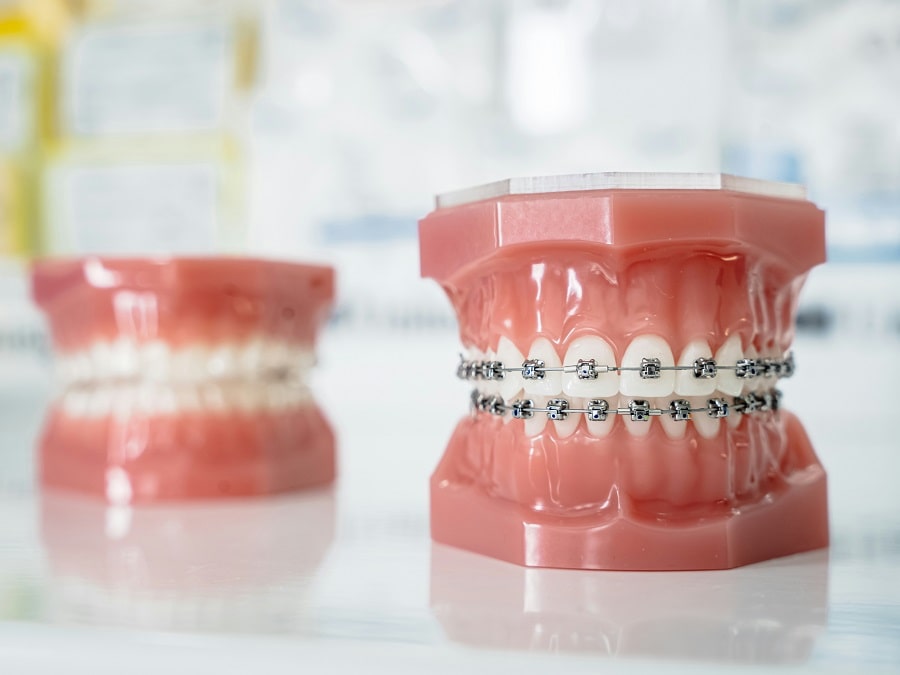
This is the most common type of orthodontics, involving brackets bonded to teeth and wires that pass through them. There are different types of fixed braces:
- Metal braces: The most common and cost-effective type, made from stainless steel.
- Ceramic braces: Tooth-colored and less noticeable, but more fragile and expensive than metal braces.
- Damon braces: A self-ligating system that doesn't require elastics and creates less friction.
- Lingual braces: Bonded to the back of teeth and not visible from the front.
2. Removable Appliances
This type of orthodontics is used for simpler problems and can be removed by the patient. Includes removable plates, retainers, and clear aligners.
3. Invisible Orthodontics (Invisalign)
This method involves a series of clear, removable aligners that are changed every two weeks. This approach is suitable for adults and teenagers who prefer not to have fixed braces.
4. Surgical Orthodontics (Orthognathic Surgery)
For treating severe jaw abnormalities that cannot be corrected with orthodontics alone, a combination of orthodontic treatment and jaw surgery is required.

Appropriate Age to Start Orthodontic Treatment
The American Association of Orthodontists recommends that children have their first orthodontic evaluation by age 7. At this age, permanent front teeth have erupted, and jaw and dental problems can be detected. Treatment at this stage can prevent more complex issues in the future.
However, orthodontics isn't limited to children. Many adults can also undergo orthodontic treatment, although treatment for adults may take longer and sometimes require more complex methods.
Stages of Orthodontic Treatment
Orthodontic treatment is a multi-stage process that typically takes 1 to 3 years:
- Initial examination and consultation: The dentist examines the teeth and jaws and discusses patient expectations.
- X-rays and impressions: Photos and impressions of teeth are taken to create a more precise treatment plan.
- Treatment planning: The orthodontist presents an appropriate treatment plan based on collected information.
- Bracket installation or treatment initiation: Brackets are placed on teeth or clear aligners are delivered.
- Regular appointments and brace adjustments: The patient visits every 4-8 weeks for brace adjustments.
- Treatment completion and brace removal: After achieving desired results, braces are removed.
- Retention period: Using a retainer is essential to maintain treatment results.
Duration of Orthodontic Treatment
The duration of orthodontic treatment depends on various factors:
- Problem severity: More complex problems require more time.
- Patient age: Treatment in children is usually faster than in adults.
- Patient cooperation: Following dentist instructions and regular visits helps treatment progress.
- Type of treatment method: Some methods like Invisalign may be faster than conventional braces.
Generally, orthodontic treatment takes between 6 months to 3 years, with an average of 18-24 months.
Cost of Dental Orthodontics
The cost of orthodontics depends on several factors:
- Type of treatment method: Fixed orthodontics is usually cheaper than Invisalign or lingual orthodontics.
- Treatment duration: Longer treatments cost more.
- Problem complexity: More complex problems require greater expertise and are more expensive.
- Geographical location: Costs are typically higher in large cities.
- Dentist specialization: Orthodontic specialists usually charge more than general dentists.
In Iran (as of March 2025), the cost of fixed orthodontics ranges between 15 to 60 million tomans, Invisalign between 30 to 100 million tomans, and lingual orthodontics between 70 to 150 million tomans. Many clinics offer installment payment options.
Advantages and Disadvantages of Orthodontics
Advantages:
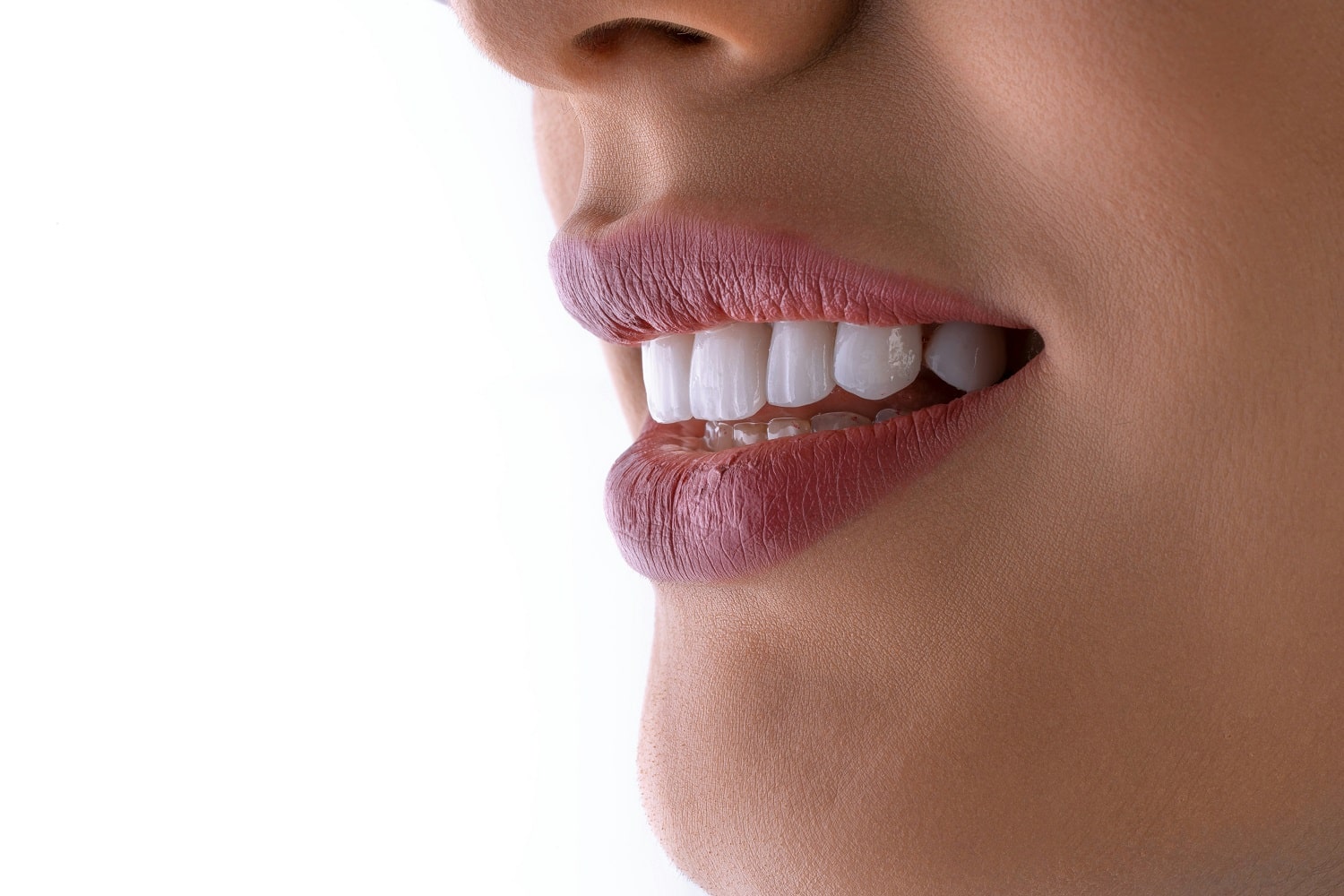
- Improved smile aesthetics and increased self-confidence
- Enhanced chewing and speech function
- Reduced risk of tooth decay and gum disease
- Prevention of abnormal tooth wear
- Reduced risk of temporomandibular joint (TMJ) disorders
Disadvantages:
- Relatively high cost
- Need for strict oral hygiene maintenance
- Dietary restrictions during treatment
- Potential discomfort and pain in the first days after brace adjustments
- Need for long-term patient cooperation

Care During Orthodontic Treatment
Maintaining oral hygiene during orthodontic treatment is crucial:
- Brushing: Brush teeth after every meal with a special orthodontic toothbrush.
- Using special floss: Use super floss or water flosser to clean between teeth and braces.
- Avoiding hard and sticky foods: Avoid nuts, ice, hard candies, popcorn, and caramel.
- Using mouthguards: Use mouthguards during contact sports.
- Regular dental visits: Attend brace adjustment appointments on time.
Potential Complications of Orthodontics
Although orthodontics is a safe treatment, some complications may occur:
- Pain and discomfort: Normal after brace installation and adjustments.
- Lip and cheek sores: Braces may cause sores in the initial days.
- Tooth root resorption: In some cases, tooth roots may shorten.
- Tooth decay: May occur if oral hygiene isn't maintained.
- Relapse of abnormality: If retainers aren't used after treatment.
These complications are usually preventable or controllable with proper dentist instructions and care.
Retention Period After Orthodontics
After brace removal, teeth tend to return to their original positions. To prevent this, using a retainer is essential. There are two main types of retainers:
- Fixed retainer: A thin wire bonded to the back of front teeth.
- Removable retainer: A clear plate or wire retainer that can be removed by the patient.
The duration of retainer use depends on the patient's condition but typically requires full-time use for at least 1-2 years, followed by nighttime-only use.
Difference Between Orthodontics and Other Dental Cosmetic Methods
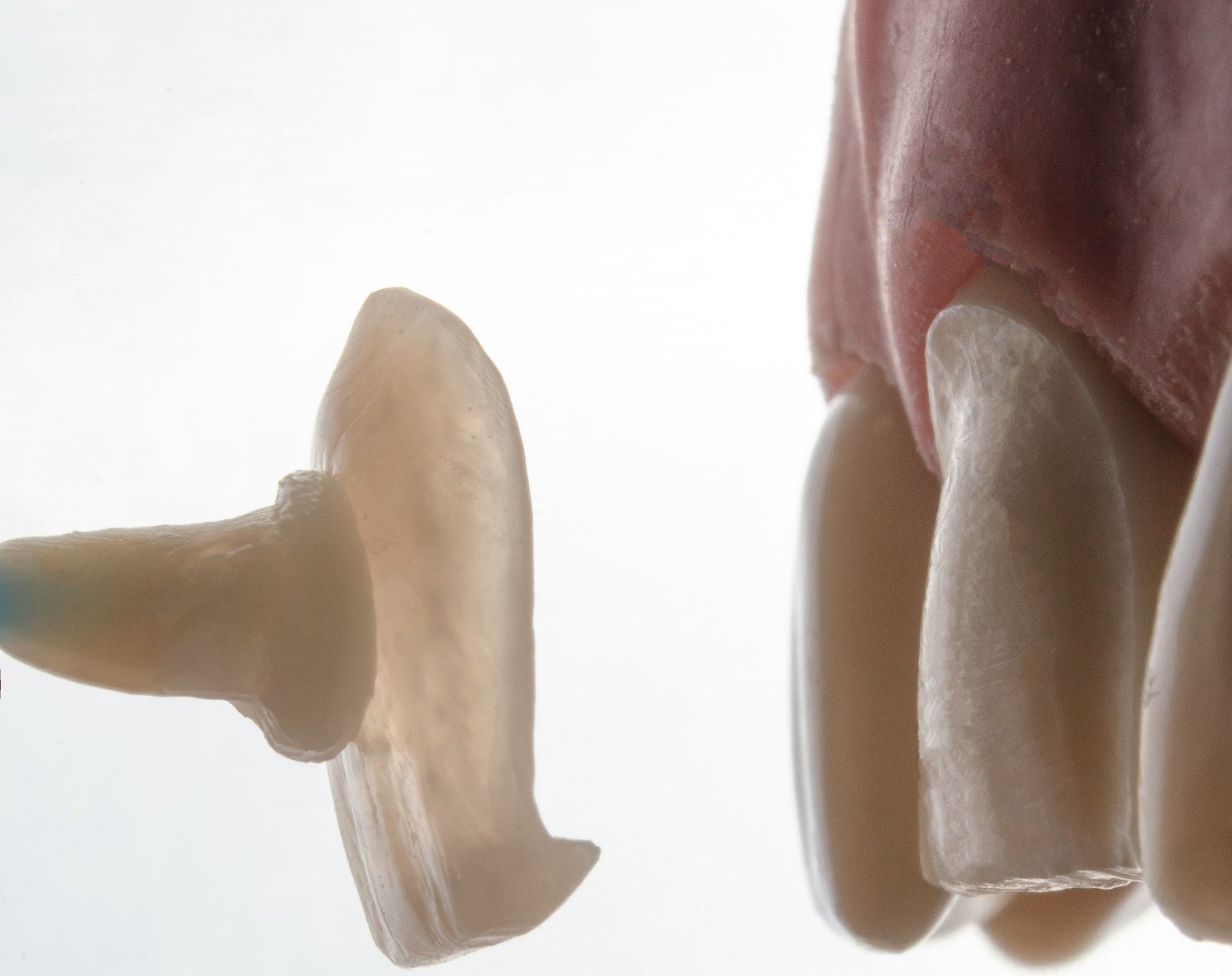
- Veneers: Veneers only improve the appearance of teeth but don't change their position.
- Composite: Composite also has more aesthetic purposes and isn't suitable for serious jaw problems.
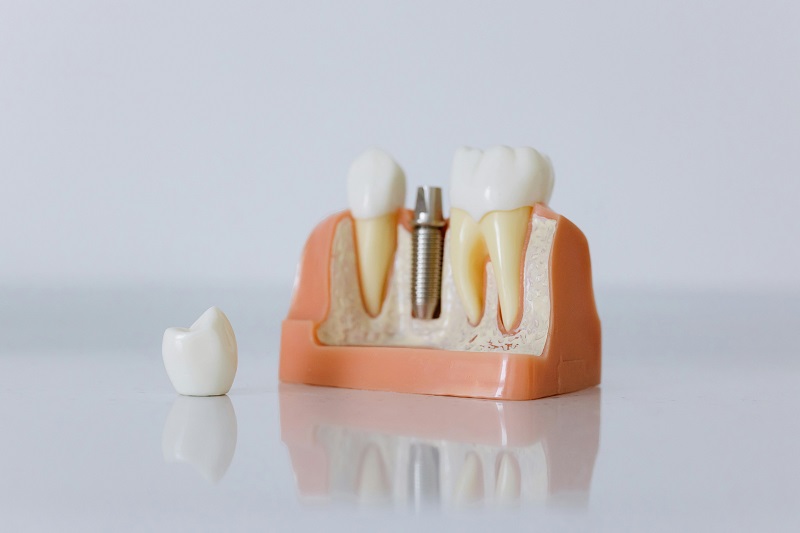
- Implants: Implants replace missing teeth, while orthodontics corrects the position of existing teeth.
Due to its profound impact on oral health and function, orthodontics is considered a superior option for treating dental-jaw abnormalities.
New Technologies in Orthodontics
Technological advancements have revolutionized orthodontic treatment:
- Digital scanning: Replaces traditional impressions with greater accuracy.
- Smart braces: With shape memory that applies continuous gentle pressure to teeth.
- Computer simulation: Allows prediction of final treatment outcomes.
- Robot-assisted orthodontics: Increases treatment precision and speed.
Conclusion
Dental orthodontics is a specialized treatment that not only enhances smile aesthetics but also guarantees overall oral health. Despite the relatively high cost and lengthy treatment time, the results are lifelong and significantly improve the patient's quality of life. Choosing an experienced orthodontist and strictly following treatment instructions are key to successful treatment. If you're considering orthodontics, first consult with a specialist to determine the best treatment method for you.